Caught With Stolen Assets: Real Cases That Blew Up, and Why Provenance Matters
There's a specific kind of dread that hits when a forum thread titled "is this asset stolen?" starts climbing the front page, and the game in the screenshots is yours. Most developers never think about provenance until it's the thing burning down their launch week. By then it's too late to ask where that 3D model came from, or who actually drew the card art.
These cases are worth knowing because they're not hypothetical. They're shipped games, real studios, real dates, and in a couple of instances, real refunds in the tens of thousands. The pattern repeats often enough that you can learn the whole lesson from other people's launch-week disasters instead of your own.
Only Up! and the Sketchfab problem
Only Up! is the cleanest example of how fast this goes wrong. The vertical platformer from solo developer SCKR Games launched on Steam on May 24, 2023, and rode a streamer wave to real money. Then people started recognizing the assets.
The game included a 3D model called "Blanket in the Wind" by an artist credited as Aboulicious, released under a non-commercial license, which a paid Steam game pretty clearly violates. It also shipped with audio lifted from Final Fantasy VII and Minecraft. (The player character's shirt also used art from the Goblintown NFT series; that series was released under a permissive CC0 license, so its status was murkier than the clear-cut violations.) Steam pulled it on June 30, 2023. SCKR stripped the offending content, relaunched on July 1, and then permanently delisted the game on September 7, 2023, the developer citing stress and wanting "peace of mind." (Sources: Wikipedia, Dexerto.)
The instructive part is the license, not the theft. "Blanket in the Wind" was freely downloadable. The model wasn't pirated off a torrent site, it was grabbed from a marketplace where the terms said non-commercial and someone shipped it commercially anyway. That's the most common way indie devs get burned: not malice, just not reading the license file.
The Day Before: when "asset flip" becomes the whole story
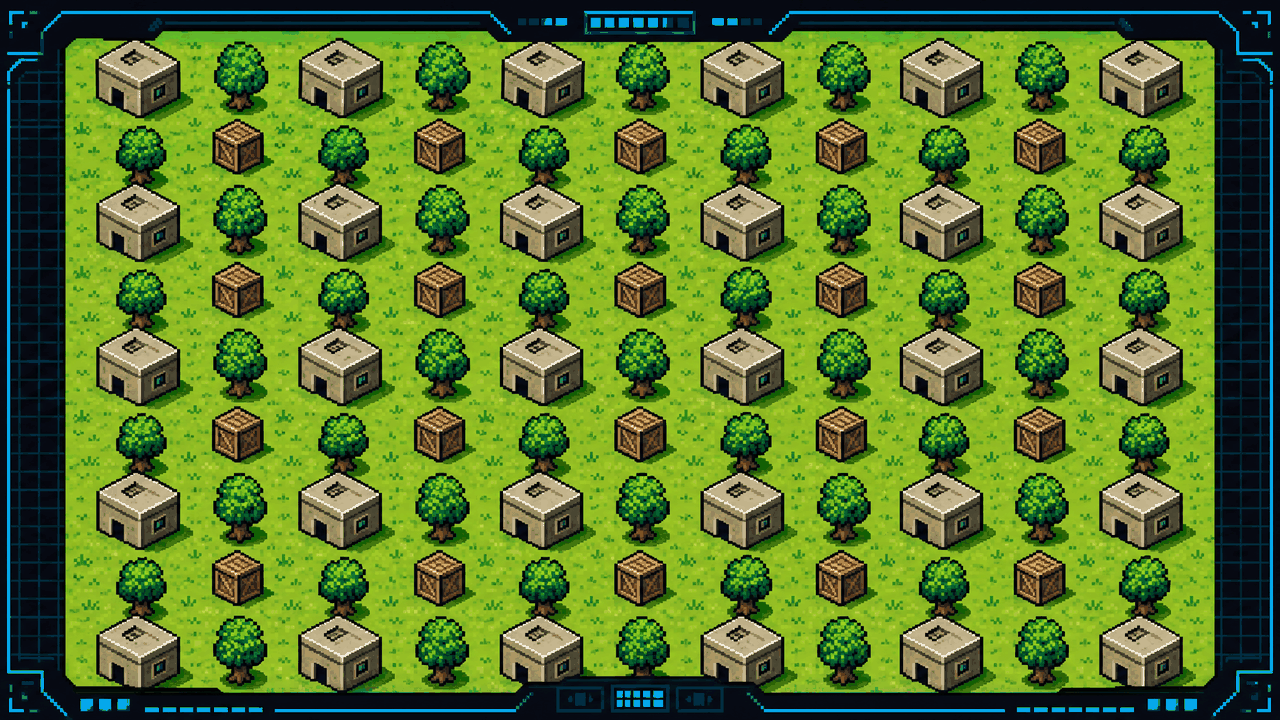
The Day Before is the cautionary tale everyone half-remembers. Fntastic's open-world survival game launched December 7, 2023 after years of hype and delays, and within hours players were calling it an asset flip, pointing at what looked like off-the-shelf Unreal Engine content stitched into a game that had been marketed as a sprawling MMO. Fntastic announced the studio was shutting down on December 11, four days after release. The game sold roughly 201,000 copies and saw a refund rate near 46% before being pulled from sale, with Steam offering refunds regardless of playtime. (Sources: Game World Observer, Windows Central.)
Using marketplace assets isn't a crime, and plenty of great games lean on them. The problem was the gap between what was sold and what shipped. When your store page promises an original world and your game looks like a Unreal demo scene with the serial numbers half-filed off, the "flip" accusation writes itself.
Then AI showed up, and the rules got murkier
Asset theft used to mean a specific file with a specific owner. Generative AI muddied that, because the training data is often someone's work that nobody asked about, and the output arrives with no provenance at all. Two cases from big companies show how exposed even well-funded studios are.
Wizards of the Coast
In early January 2024, Wizards of the Coast posted a marketing image for Magic: The Gathering's Ravnica Remastered set with a steampunk background that fans immediately flagged as AI-generated. Wizards initially denied it. Days later, on January 7, 2024, they reversed course and apologized, admitting that "some AI components that are now popping up in industry standard tools like Photoshop crept into our marketing creative, even if a human did the work to create the overall image." Longtime Magic artist Dave Rapoza publicly cut ties with the company over it. (Sources: Commander's Herald, TheGamer.)
The "crept in via Photoshop" line is the part every solo dev should sit with. Generative fill and AI enhancement features are now baked into the tools you already use. You can ship AI content without ever deciding to, just by clicking a button that used to do something else.
Call of Duty: Black Ops 6
The most-screenshotted example is a loading screen from Black Ops 6's Season 1 "Merry Mayhem" event, showing a zombie Santa Claus with six fingers, the classic tell of an image model that never learned to count. After months of player accusations, Activision's Steam page added an AI disclosure stating, "Our team uses generative AI tools to help develop some in-game assets." The disclosure surfaced in early 2025, about three months after the game's October 2024 launch, and only because Steam's policy requires it. (Sources: Kotaku, TheGamer.)
A billion-dollar franchise shipped a six-fingered Santa in a paid cosmetic season. If their QA missed it, yours can too. The extra finger is just the visible failure; the real issue is that nobody could say where the image came from.
The disclosure rule that changed the math
Valve started requiring AI content disclosure on Steam on January 10, 2024. Developers now fill out a form describing how AI was used, and that statement can appear on the store page. The policy isn't a ban, but it ended the option of quietly shipping AI assets and hoping nobody asks. Some developers have walked away rather than disclose. The free-to-play roguelike Hardest, by solo developer Eero Laine, used AI for its card illustrations, and Laine later decided to pull the game entirely over the ethics of it. (Sources: 80.lv, PC Gamer.)
Why provenance is your problem, not a legal department's
Every one of these stories has the same root cause: someone couldn't answer "where did this come from?" Not the model, not the texture, not the loading screen. Provenance is just keeping that answer on file before anyone asks.
If you're generating video with Veo, Sora, Kling, or Runway and pulling frames into 2D sprites, you own this question directly. A reasonable habit looks like:
- Log the source of every asset. For generated content, save the tool, the date, and the prompt. For marketplace assets, save the license file next to the asset, not in a folder you'll never open again.
- Read the actual license terms. "Free" and "free for commercial use" are different things. Only Up! got caught on exactly that gap.
- Know what your tools do by default. Generative features in Photoshop and similar apps can inject AI content without a clear prompt. Wizards found that out in public.
- Disclose early. If you used AI, Steam's form expects you to say so. Getting outed by a six-fingered character is worse than a checkbox.
When you build sprites from your own generated footage, the chain stays clean. You made the video, you pulled the frames, you can prove it. That's the workflow the Sprite Frame Extractor is built for: load a clip you generated, pick a loop range, set an FPS basis, and export a PNG sequence, GIF, or APNG locally in your browser. Nothing uploads, and you keep the source clip and the prompt that made it. Pair it with the companion sprite-sheet slicer and your whole pipeline is traceable from prompt to frame.
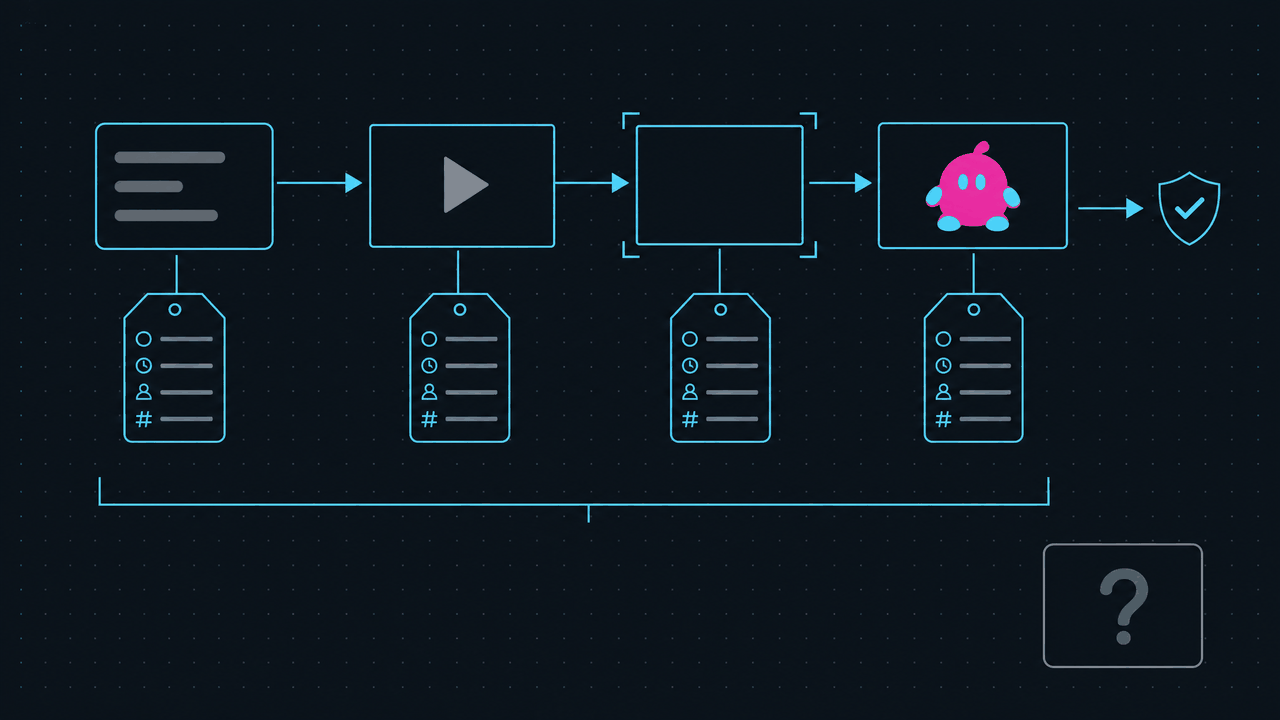
None of this is about being paranoid. It's about being able to answer one question fast when a thread about your game starts trending for the wrong reason. The studios above couldn't. You can.
FAQ
Q. Is it illegal to use free assets from sites like Sketchfab in a commercial game?
It depends entirely on the license attached to the asset. Many free assets are released under non-commercial licenses, which means you cannot ship them in a paid game without separate permission. Only Up! was pulled from Steam in part because it included a model released under a non-commercial license. Always read the license file and save a copy alongside the asset.
Q. Does Steam ban games that use generative AI?
No. Since January 10, 2024, Valve requires developers to disclose how AI was used via a form, and that disclosure can appear on the store page. The policy is about transparency and copyright concerns, not an outright ban. Call of Duty: Black Ops 6 shipped with AI assets and added the required disclosure to its Steam page in early 2025.
Q. How do I avoid an asset-theft or AI controversy with my own game?
Keep provenance records for everything: for generated assets, save the tool, date, and prompt; for marketplace assets, save the license terms next to the file. Read licenses carefully, since 'free' and 'free for commercial use' are not the same. Watch out for AI features built into tools like Photoshop that can add generated content by default, and disclose AI use up front rather than getting outed later.
Q. Can I get in trouble for AI art if a human still did most of the work?
You can still face backlash and disclosure obligations. Wizards of the Coast admitted that AI components from standard tools 'crept into' a Magic: The Gathering marketing image 'even if a human did the work to create the overall image.' Modern software blends AI features into normal workflows, so it's worth knowing exactly what your tools generate and being upfront about it.
Sources
- https://en.wikipedia.org/wiki/Only_Up!
- https://www.dexerto.com/gaming/only-up-gets-removed-from-the-steam-store-over-potential-stolen-assets-2195978/
- https://gameworldobserver.com/2023/12/12/day-before-sales-201k-copies-refunds-delisted-from-steam
- https://www.windowscentral.com/gaming/refund-pc-game-the-day-before-the-studio-is-closing-in-what-might-be-the-biggest-video-game-scam-in-recent-memory
- https://commandersherald.com/wizards-of-the-coast-issues-apology-for-ai-art-ads/
- https://www.thegamer.com/magic-the-gathering-artist-quits-following-ai-art-controversy/
- https://kotaku.com/black-ops-6-ai-calling-card-loading-screen-blops-6-cod-1851766313
- https://www.thegamer.com/call-of-duty-cod-black-ops-6-bo6-discloses-ai-use-on-steam/
- https://80.lv/articles/steam-has-clarified-its-rules-on-the-use-of-ai-in-video-games
- https://www.pcgamer.com/games/indie-dev-is-delisting-his-ai-game-from-steam-because-his-new-girlfriend-convinced-him-its-evil-the-game-existing-in-its-current-form-is-a-disgrace-to-all-game-makers-and-players/